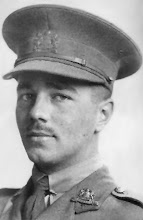
Sassoon’s intentions on writing this poem were to shed light on the apathy of the ignorant Officers towards their damaged soldiers due to a wide chasm between the two. Sassoon was a soldier and experienced the agony of fighting on the front line but also experienced a blind eye being turned to him and his horrible experiences whereas the home front was concerned, including Officers.
The poet does so through the use of various poetic devices. One of them being imagery, Sassoon utilizes the metaphor “blind darkness” to highlight the blindness (and ignorance) of the officers as they aren’t compelled or obliged to face the scope for horror on the front line.
In addition to that metaphor, the poet creates an extended image wherein he ironically and satirically dehumanizes the soldier by giving him animal-like qualities, but only does so because he takes on the persona of the Officers, hence, further insinuating the lack of compassion on the Officer’s front through the use of such negative words and heightening the sympathy that Sassoon insinuates must be felt for the soldiers. The very fact that he is taking on a persona and expressing voice of disdain for the soldier, allows for Sassoon to get readers sympathy and condemn the Officer, and thus, the poem becomes satirical. To further heighten the purpose of taking on the persona of the Officer, there is an inclusion of a very flippant tone that surmise the Officers apathy, “All because…”.
Also noticeable is the alliteration, caesura and punctuation that doesn’t allow for the poem to flow freely and so slows the pace. Creating breaks in lines and forming fragmented, disjointed lines highlights the awkwardness of the Officer, “Puzzled, patient”. But when the focus is shifted to the soldier, the lines are free running with lists and this allows for the readers to believe that the soldier’s emotions are expressed in a complete outflow of emotion and paroxysm of despair.
The break in lines and enjambment also highlight the chasm and the lack of connection, relation and compassion between the soldiers and the Officers. Not only do break in lines and enjambment do the aforementioned, but so does the rhyme scheme, and the break in rhythm at the phrase “to stop…west”, these two lines seem to be the central message of the poem and it perfectly depicts the chasm and difference between the two individuals, thus highlighting the indifference of the ignorant Officers.
The aforementioned poetic devices effectively achieve Sassoon’s intentions of highlighting the effect the war had on men and how those who didn’t experience it were blinded by ignorance and allowed for that chasm to grow and thus allowed for their indifference and lack of compassion to be exhibited further.
Sassoon also allowed for readers to make an association and sympathize with the soldier despite his stark and raving mad description as we already pinpoint the Officer’s apathetic persona and how it is unaware and obstinate. Thus, as the poem picks up momentum and we make note of the flippant tone, we immediately begin to realize the depth of horror the soldiers go through and the one thing that amplifies it is the sheer delight at ignorance from the indifferent, adamant Officers. Hence, readers begin to sympathize greatly with the soldiers and condemn and express resentment towards the Officers and authorities that Sassoon is laying accusations on.
Friday, April 30, 2010
PERSONAL RESPONSE TO SIEGFRIED SASSOON'S "LAMENTATIONS"

Subscribe to:
Post Comments (Atom)


No comments:
Post a Comment