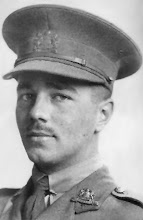
Class and social division has always been present in the English society in the pre-war period, and thus also present during the war and in the army. She portrays this by animating the characters in the novel in such way to show the situation at the time. One good example of this statement is when Sassoon’s soldier declaration was presented, he would either get “court-martialed” or sent to “Craiglockhart”, where patients suffering mentally from the war are sent. Firstly, the fact the army wanted to punish Sassoon for writing what’s on his mind shows the reader that saying what’s on a soldier’s mind was forbidden and that it was considered a serious issue to do so, because in the army, lower ranks like soldiers aren’t allowed to speak their minds due to social division because normal soldiers are usually lower ranking than the officers in the army as well as outside the army and officers are usually from a higher social class than normal soldiers.The fact that they wanted to send him to a mental hospital because of the declaration showed how much control and power the higher classes have over the lower classes. Even though he was introduced as a perfectly sane person when Barker introduced the character, especially when Sassoon asked if Rivers thought he was mad and the latter replied by saying “I’m quite sure you’re not”. This furthermore suggests to the reader about the situation in which Sassoon is in. He was sent to a mental hospital by the higher classes in the army to be silenced because they didn’t want him to talk bad about the government. This emphasizes the higher privileges people from higher classes have on lower classes.
One way Pat Barker emphasizes the difference between classes in the army is by showing symbolism, one example of this is when talking about mutism in the hospital, in the conversation, Rivers said that “officers don’t have mutism” this is symbolic because mutism symbolizes the inability to speak in the army for the lower classes. The fact that officers don’t have mutism shows the reader that officers have more privileges then normal people because they come from higher classes then normal soldier in the army.
Monday, September 14, 2009

Subscribe to:
Post Comments (Atom)

1 comment:
Some good ideas, Vincent - you are exploring the text well. You could perhaps focus more on the idea of the characters as dramatic constructs (i.e. they exist in literature and therefore their actions, words etc...all belong to Barker)and therefore comment on Barker's intentions in portraying them in the way that she does.
Maybe you could comment on the idea of the Military ranking system and Prior as a character who has been elevated out of his designated role in society by the war. How has this affected him, is this the reason for his afflictions, rather than the physical aspects of the war?
Post a Comment