Wednesday, September 30, 2009
Social traditional barriers eradicated during WW1
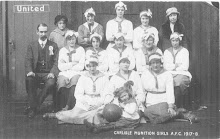
Pat Barker expresses her thoughts and views about the social barriers, women especially, during the period of World War I through ‘Regeneration’. When the war broke out, all men (including young adults, males who are above the age of 18) were forced to join the army without questions. Their families, women, and children were not ready to let these men go but they had to. Therefore, the work that used to keep these men occupied was not running properly because there were no men working. Women came into the minds of the government, because they were the only one left. They were the last options. “middle-aged or elderly men, and women” – Pat Barker lists out the lucky ones who were allowed to stay back and avoid going to the war. The war, for the men was a tragedy and a destruction, that they had to face uncountable number of sicknesses and diseases, watching their mates’ deaths, living in the worst conditions that they could ever lived in. While for the women, the war, at first it was not an easy thing to leave these men, but then they were the only one left, they experienced freedom and liberation that they have never experienced before; raising their families on their own, being able to hang out with their friends, work in factories. These new freedoms made the women began to feel the power that they were getting, that they could live on their own and being responsible for their own lives. All through the novel ‘Regeneration’, we begin to see that women became more ‘manly’ in some ways, such as the way they talk, the language, and the way they act. “Raucous laughter”, “Eeh, I hope a man never tries to shove anything up her flue”, and “arseholes” are examples from the novel that show that the women had become stronger and more confident in their behaviours, mostly for the lower/working class women. The women’s advancements required time for them to adjust to their new rules and jobs, their new lives. “pulling”, “dragging”, and “donning” – these three words emphasise the idea that women are taking over the men’s roles in the society. Women are in charged of important meetings, jobs and also family-caring. The work they were getting used to was “even jolly for a time” – this proves that the women were enjoying their evolvement of roles in the society. The phrase “a group of women, thirty or forty perhaps sitting on the next table” that Pat Barker uses, lets us as the readers know that not only working-class-aged women were enjoying their freedom, but women of all ages were taking pleasure in this new change in roles in the society. “Subdued, they hadn’t yet managed to adjust” – all these new changes happened too quickly for the women to grab a hold of it, but no matter what they would fight for their freedom and independence. They were allowed to go to “men’s” places, ordering food not just cooking for them at home, being normal housewives, they were socializing, something so new that they have never experienced before. “Lizzy was keeping these young girls entertained…” – this tells us that women began to have stories to tell, knowing funnier and amusing things, and began to feel more freely and confident about themselves. Before the war women were seen as the lower sex, but when the war broke out, women gained their power and freedom. “She held her hand out to him in a direct way…” – women began to gain more confidence from taking over the men’s roles, while the men were losing their confidence. Men were emasculated, losing the male characteristics and being ashamed of them. Men were being injured, shot, and even for some men, who were facing difficulties doing normal things others can do such as walking or seeing, were seen as cowards and they have to live lives which they thought those were “half-lives”. It was not so easy for the men after the war, expecting their women to stay home and cook, looking after the kids, but everything was the opposite. The women were now working, making and spending their own money, and probably for some they were looking down to the men. Everything became the opposite for the men after the war. Destruction became disappointment.

Subscribe to:
Post Comments (Atom)


No comments:
Post a Comment